
Dallas County Wanted List Status
The Dallas County Sheriff's Department posts no online most-wanted list. Its county page and official flyer stop at law-enforcement contacts. No photos. No update schedule, no reward policy, and no promise of anonymity. There is no posting count either, so no roster exists to mirror or summarize here. Nothing should be borrowed from other counties or read into the Crime Stoppers name. One agency alert on social media may describe a single investigation, but a single post is not a warrant database.
Confusion is a real risk here. Search engines mix Dallas County, Alabama with Dallas County, Texas and other similarly named sheriff offices. Stick with the official sheriff and court channels, and treat anything else with care.
A Dallas County warrant is simply a request for lawful action. Courts and the sheriff's office handle the rest of the process from there.
Verify Dallas County Wanted Notices
Dallas County may publish an official notice now and then. Confirm it first through the Dallas County Sheriff's Department before you act. The table below shows which fields are worth verifying in any wanted notice. It does not claim the sheriff currently publishes all of them.
| Field to verify | Why it matters |
|---|---|
| Issuing agency | Confirms the notice belongs to Dallas County, Alabama and identifies the official contact. |
| Full name and aliases | Helps prevent a mistaken match with another person. |
| Photo date and source | Shows whether an image is current and agency-supplied rather than copied. |
| Alleged warrant basis | States the charge without converting it into a conviction. |
| Notice date or update | Helps test whether the notice may have changed or been withdrawn. |
| Official tip channel | Routes information to the named agency without personal contact. |
Screenshots and reposts can linger long after the official status changes. Go back to the named agency. Then check the court record. Never identify a person by physical traits alone. Do not copy or rehost a wanted image; the official notice belongs with the office that issued it.
Use Dallas County Wanted Notices
A single agency notice calls for a narrow, safety-first response. Verify the source. Pass along useful facts. That is the whole job. A notice is never an invitation to search for, follow, detain, or confront anyone.
- Confirm the source. Open the notice through an official Dallas County sheriff, police, court, or other agency page, not a copied social image.
- Read the date and identifiers. Match the issuing agency, full name, and notice details without assuming a person with a similar name is the same individual.
- Do not approach. Keep a safe distance and do not warn, question, follow, or attempt to hold the person.
- Use the published channel. Send the location, time, vehicle, and other firsthand facts to law enforcement. Use 911 if danger is immediate.
- Verify later status officially. A capture may create a Dallas County booking record, but the county booking and custody path must be checked separately.
Be careful what you share. Guesses can hurt. Posting names or personal details online may harm the wrong person. A notice can also change fast. It might be withdrawn, or the case already resolved, before you ever see it. So leave the work to the sheriff and the courts.
Check Dallas County Warrants Safely
Dallas County offers no public warrant search by name. The Circuit Clerk's Magistrates and Warrants page explains why. An arrest warrant is not public until it has been served. If you suspect an active warrant in your name, the documented method is to appear in person at the Dallas County Sheriff's Department. That is very different from counties with an open name portal.
- Do not rely on a general web search. An absent result cannot prove that no unserved warrant exists.
- Identify the likely court. The place, alleged offense level, and arresting agency help distinguish Selma municipal matters from county matters.
- Speak with a lawyer when the status concerns you. Counsel can contact the proper court and help plan a safe, lawful response.
- Follow the official in-person direction. The verified county page points suspected-warrant inquiries to the sheriff's office at 102 Church Street in Selma.
- Use the court record after service. Match the case number and read the latest filings and disposition rather than treating the warrant as the outcome.
The sheriff's 24-hour dispatch line can route public-safety calls. It is not a warrant-confirmation desk. Do not expect a dispatcher to confirm a name over the phone. And no lawful warrant check involves hiding from police, fleeing, misleading an officer, destroying evidence, or confronting another person.
Dallas County Warrant Jurisdiction
The right court path depends on jurisdiction. Start by filing an incident or offense report with the sheriff or municipal police. Dallas County guidance says an officer or investigator accompanies the complainant through the probable-cause process. Probable cause is the legal standard a judicial officer weighs before signing an arrest warrant.
| Matter or warrant path | Verified Dallas County route |
|---|---|
| Selma misdemeanor charge | Ordinarily within Selma Municipal Court rather than the county misdemeanor path. |
| County misdemeanor outside Selma | Falls within the Dallas County magistrate framework described by the Circuit Clerk. |
| Dallas County felony charge | Falls within countywide felony jurisdiction and the county court path. |
| Traffic or worthless-check matter | Included among matters addressed by the published magistrate framework. |
| Served arrest warrant | Use the resulting case number and proper clerk to trace filings and disposition. |
Treat this as a routing table, not proof a warrant exists. A booking at the Dallas County Jail settles nothing about which clerk owns the case. Selma municipal and Dallas County records can follow separate paths. That split holds even when custody started in the same jail.
Note: An unserved arrest warrant is not public under the clerk's guidance, so public search silence is not a status determination.
Dallas County Tips and Safety
The sheriff's official flyer lists Crime Stoppers as a tip route. It names no reward amount. It makes no anonymity promise either, so promise neither. Give clear, firsthand facts: a current location, a direction of travel, a vehicle, a time, or an immediate safety concern. Let trained officers decide the response.
Dallas County Sheriff's Department102 Church Street
Selma, AL 36702
Office and records: 334-874-2530
24-hour dispatch: 334-874-2578
Crime Stoppers: 334-251-STOP
Safety: Never approach or try to detain a person described as wanted. Call 911 for immediate danger and use the agency's published channel for other tips.
Crime Stoppers is not a warrant-check desk. Concerned about your own status? Use a lawyer, the proper court, and the sheriff's in-person direction. Tips about another person should stay factual and never serve to harass or threaten anyone.
Dallas County Custody After Capture
A warrant, a custody status, and a sentence are three different facts. Once a warrant is served, the person might land in Dallas County Jail, post bond, transfer elsewhere, or move into state or federal hands down the road. The county booking path shows a local intake or release. The Alabama Department of Corrections takes over after a state commitment, and federal tools cover federal cases and transfers.
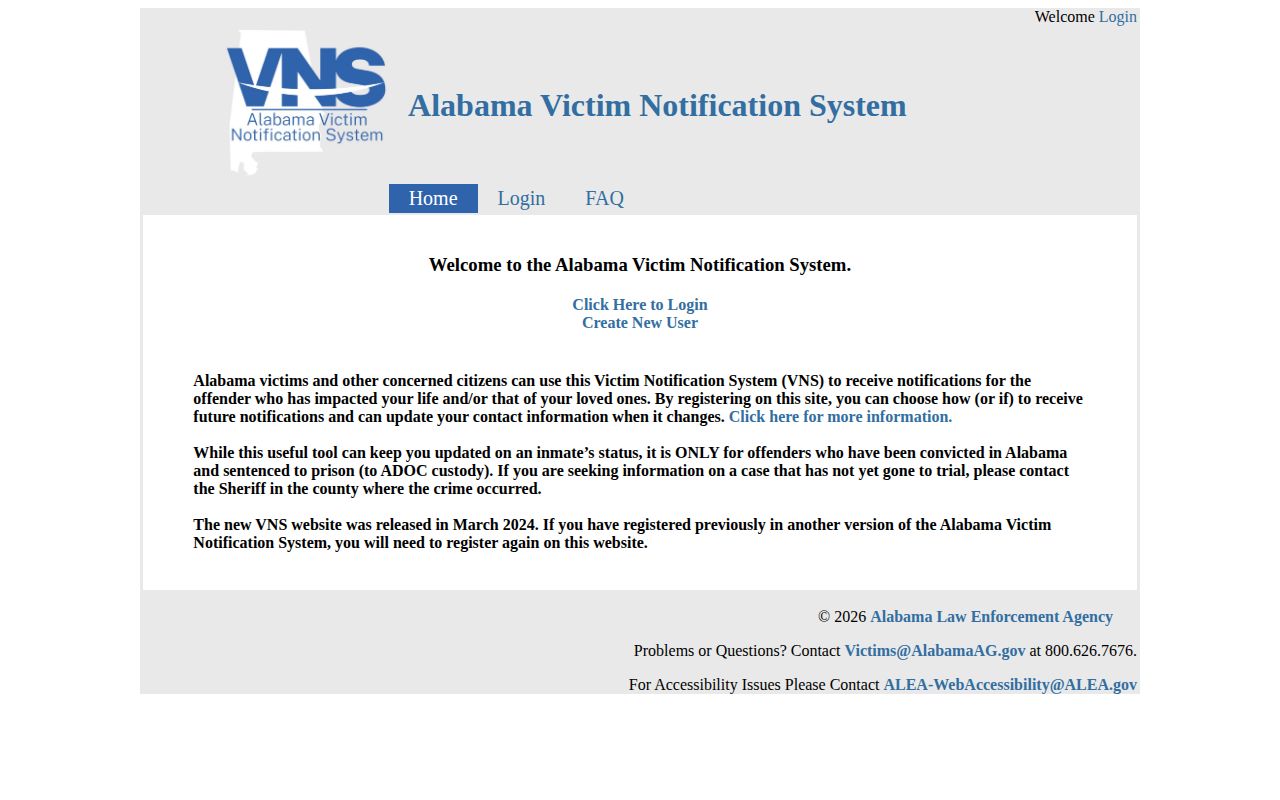
The Alabama Victim Notification System sends notices about convicted Alabama offenders sentenced to ADOC custody. It is not a pretrial warrant search or a wanted gallery for Dallas County. Think of it as a later-stage custody notification channel rather than evidence that any county warrant exists.
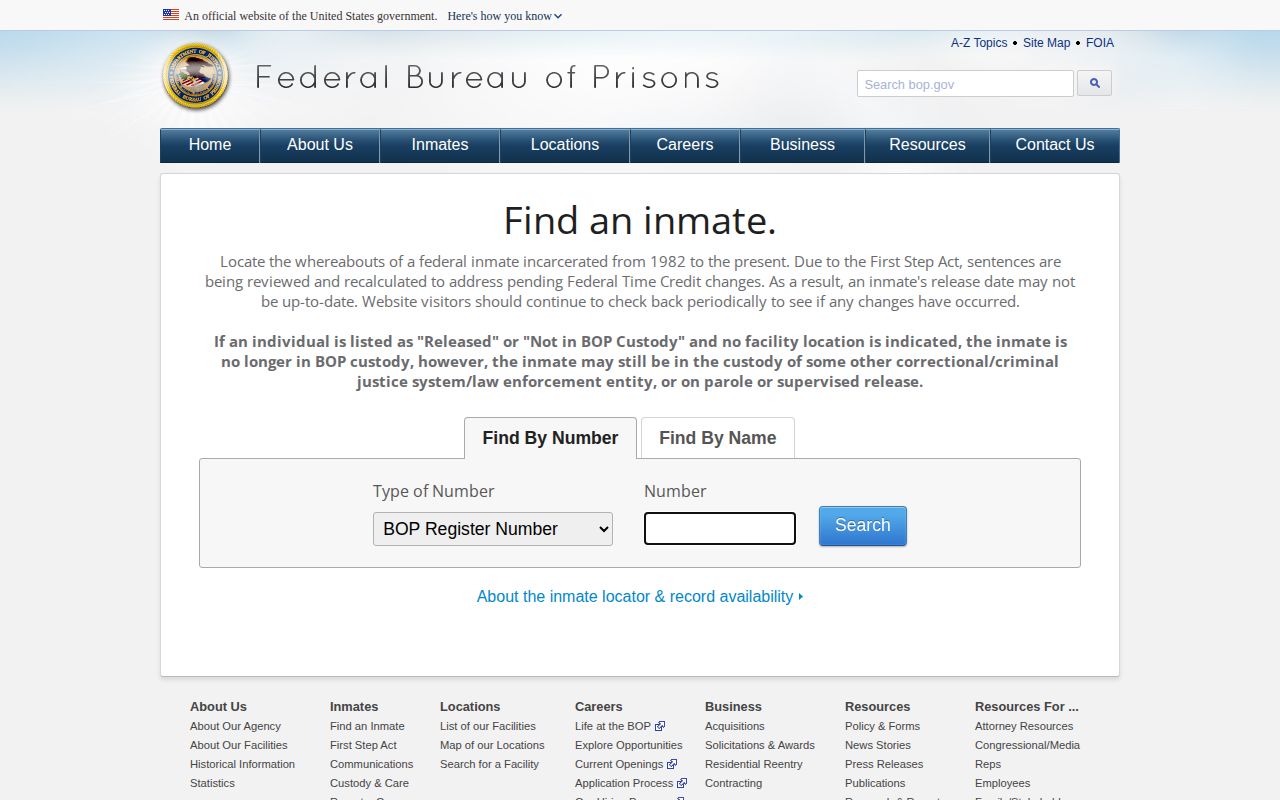
The Federal Bureau of Prisons Inmate Locator covers the federal side. It reports custody and release details for federal sentences. It shows no public inmate photos and cannot check a Dallas County warrant. That boundary is the point: once a case goes federal, county tools stop tracking it.
Verify Dallas County Warrant Outcomes
Serving a warrant starts or advances a legal process; it decides nothing about the charge itself. Once a case becomes public, Alabama Trial Court Records covers many Dallas County matters, and the clerk of court can supply an authoritative copy. Match the name, case number, jurisdiction, and event dates. Then read the latest case-action summary and disposition for the recorded result.
These terms get mixed up constantly. A warrant authorizes an arrest on stated legal grounds. Booking records the jail intake. Arraignment is where a plea is entered. Disposition is the final recorded outcome, whether dismissal, amendment, plea, trial, or something else. Old notices and reposts often leave out those later facts, so let an official outcome correct any stale assumption.
One more wrinkle: a missing name result before service proves nothing, because the clerk limits access to unserved warrants. Current agency and court records are the sound endpoint.